How to Write a Hilarious Blog Post About a Funny Experience: A Step-by-Step Guide to Blog Writing
Welcome to the world of blog writing, where laughter is the best medicine, and funny stories are the cure for boredom. In this tutorial, you'll learn how to write a sidesplitting blog post about a humorous experience that will leave your readers in stitches. From crafting a catchy title to editing your masterpiece, we'll take you through the process of creating a laugh-out-loud blog post that will make your audience beg for more. So, grab a cup of coffee, sit back, and get ready to unleash your inner comedian. In this article, we'll explore the art of blog writing, providing you with blog writing examples and tips to make your content shine.
Step 1: Choose a Funny Experience to Write About - Brainstorming Blog Writing Ideas
The first step in writing a hilarious blog post is to choose a funny experience that you're eager to share with the world. Think about the most embarrassing, ridiculous, or awkward moments in your life that still make you chuckle. It could be a silly mistake you made, a ridiculous joke you heard, or a funny encounter with a stranger. For example, you could write about the time you accidentally wore your shirt inside out to work or the great pizza delivery mishap. Whatever story you choose, make sure it's relatable, entertaining, and authentic. Take a look at some blog writing examples online, such as the ones found at ContentProz, to get an idea of what makes a great blog post. 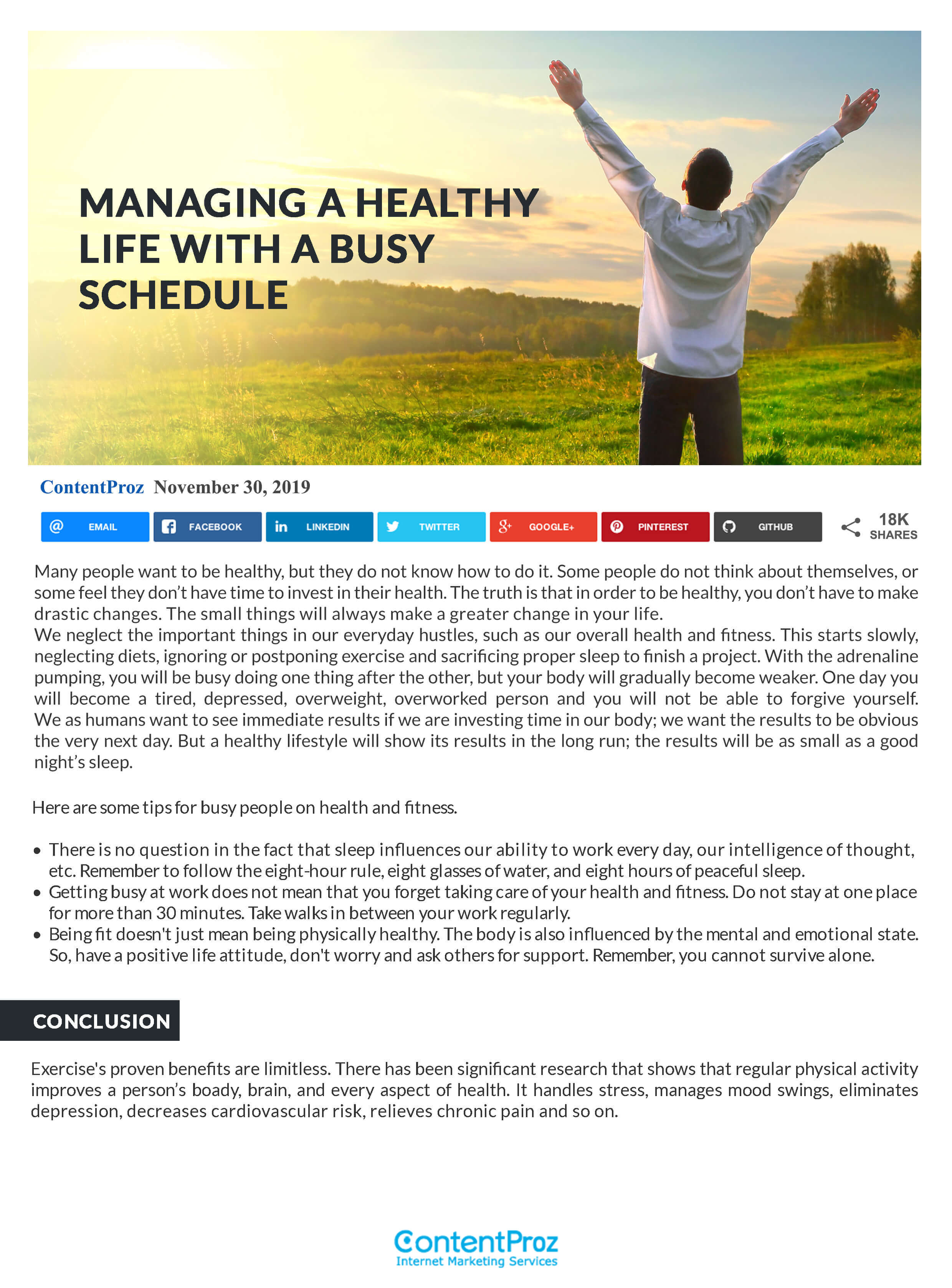
Step 2: Craft a Catchy Title - The Art of Blog Writing Headlines
A catchy title is essential to grabbing the attention of your readers and making them want to read more. Your title should be creative, funny, and descriptive, giving your readers a hint about what they can expect from your blog post. Use action verbs, questions, or statements that create curiosity. For instance, "The Great Sock Conspiracy: A Funny Story About Missing Match" or "What Happens When You Wear Your Shirt Inside Out to Work?" are great examples of catchy titles that will make your readers giggle. You can also use online tools to help you come up with the perfect title, such as blog writing examples found at Examples. 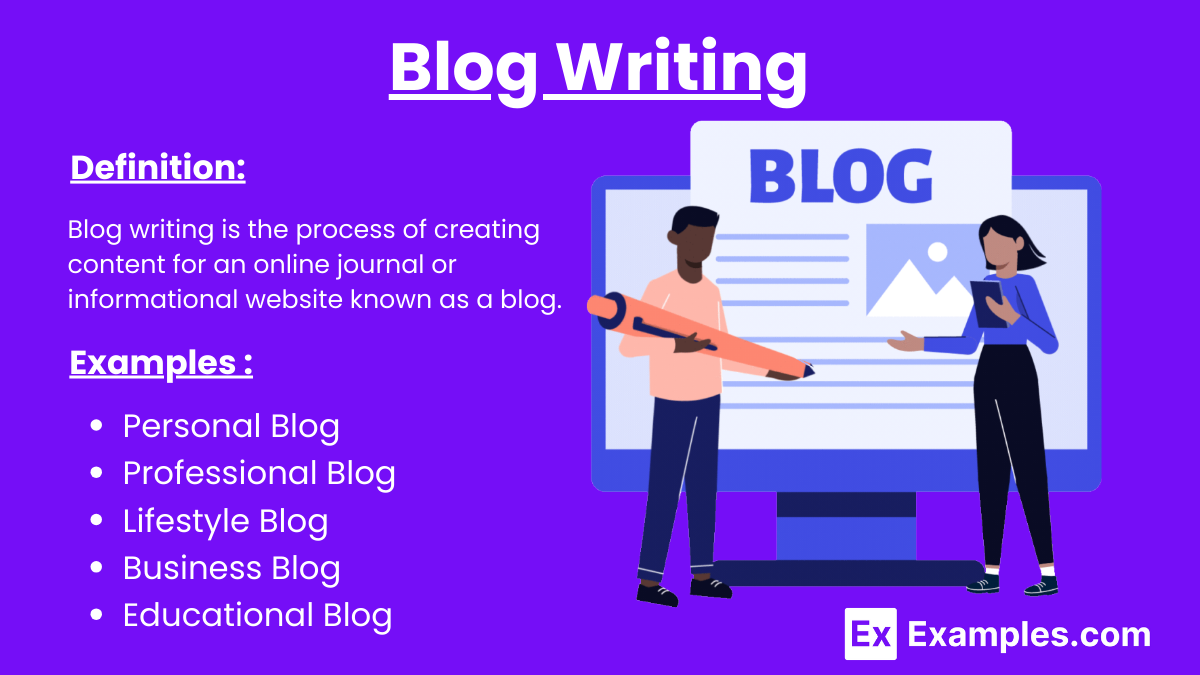
Step 3: Write an Engaging Introduction - Setting the Tone for Your Blog Post
Your introduction should set the tone for your blog post and make your readers want to continue reading. Use a hook to grab their attention, such as a funny quote, a surprising statistic, or a personal anecdote. Keep your introduction concise, clear, and engaging, providing a brief overview of what your readers can expect from your blog post. For example, you could start with a sentence like, "I'll never forget the time I accidentally superglued my shoes to the floor during a job interview" or "Who needs coffee when you have a good laugh to wake you up in the morning?" Make sure your introduction is well-written, informative, and entertaining, setting the stage for a hilarious blog post.
Step 4: Tell Your Story - The Art of Storytelling in Blog Writing
Now it's time to tell your story, and the key to making it funny is to use descriptive language, exaggerate the details, and add comedic timing. Use metaphors, similes, and hyperboles to create vivid images in your readers' minds. For example, instead of saying "I was very tired," you could say "I was so exhausted that I felt like a zombie who had been awake for a week." Use dialogue to add depth and humor to your story, and don't be afraid to poke fun at yourself. Remember, the goal is to make your readers laugh, so don't hold back on the funny details. Take a look at some blog writing examples online to get an idea of how to effectively tell a story in your blog post.
Step 5: Add a Conclusion - Wrapping Up Your Blog Post
Finally, it's time to wrap up your blog post with a conclusion that will leave your readers smiling. Summarize the main points of your story, and add a final thought or a call to action. You could ask your readers to share their own funny stories or experiences, or provide a lesson learned from your adventure. Keep your conclusion short, sweet, and funny, leaving your readers with a lasting impression of your blog post. For example, you could end with a sentence like, "And that's the story of how I learned to always wear matching socks" or "So, the next time you wear your shirt inside out, just remember that it's not the end of the world."
Step 6: Edit and Proofread - The Final Step in Blog Writing
The final step in writing a hilarious blog post is to edit and proofread your work. Read your blog post aloud to ensure that it flows smoothly and that the jokes land well. Check for grammar, spelling, and punctuation errors, and make sure that your story is well-structured and easy to follow. Ask a friend or family member to read your blog post and provide feedback, and don't be afraid to make changes or revisions as needed. Remember, the key to writing a great blog post is to have fun and be creative, so don't be too hard on yourself, and enjoy the process.
Now that you've completed the steps to writing a hilarious blog post, it's time to publish and share your work with the world. Remember to follow the principles of blog writing, using catchy titles, engaging introductions, and funny storytelling to make your readers laugh. With practice and patience, you'll become a master of blog writing, and your readers will be begging for more. So, go ahead, take the leap, and start writing your own hilarious blog post today. You can find more blog writing examples and tips online, such as at ContentProz or Examples, to help you get started.
Frequently Asked Questions About Blog Writing
Q: What makes a blog post funny?
A: A blog post is funny when it uses humor, irony, and exaggeration to tell a relatable and entertaining story.
Q: How do I come up with a catchy title for my blog post?
A: Use action verbs, questions, or statements that create curiosity, and make sure your title is creative, funny, and descriptive.
Q: What's the best way to tell a funny story in a blog post?
A: Use descriptive language, exaggerate the details, and add comedic timing, and don't be afraid to poke fun at yourself.
Q: How do I know if my blog post is funny or not?
A: Read your blog post aloud to ensure that it flows smoothly and that the jokes land well, and ask a friend or family member to provide feedback.
Q: What are some good resources for learning more about blog writing?
A: Check out online resources such as ContentProz or Examples for blog writing examples, tips, and tutorials.
Mastering The Art Of Blog Writing: A Comprehensive Guide To Crafting

Mastering the Art of Blog Writing: A Comprehensive Guide to Crafting ...
Blog Writing | ContentProz
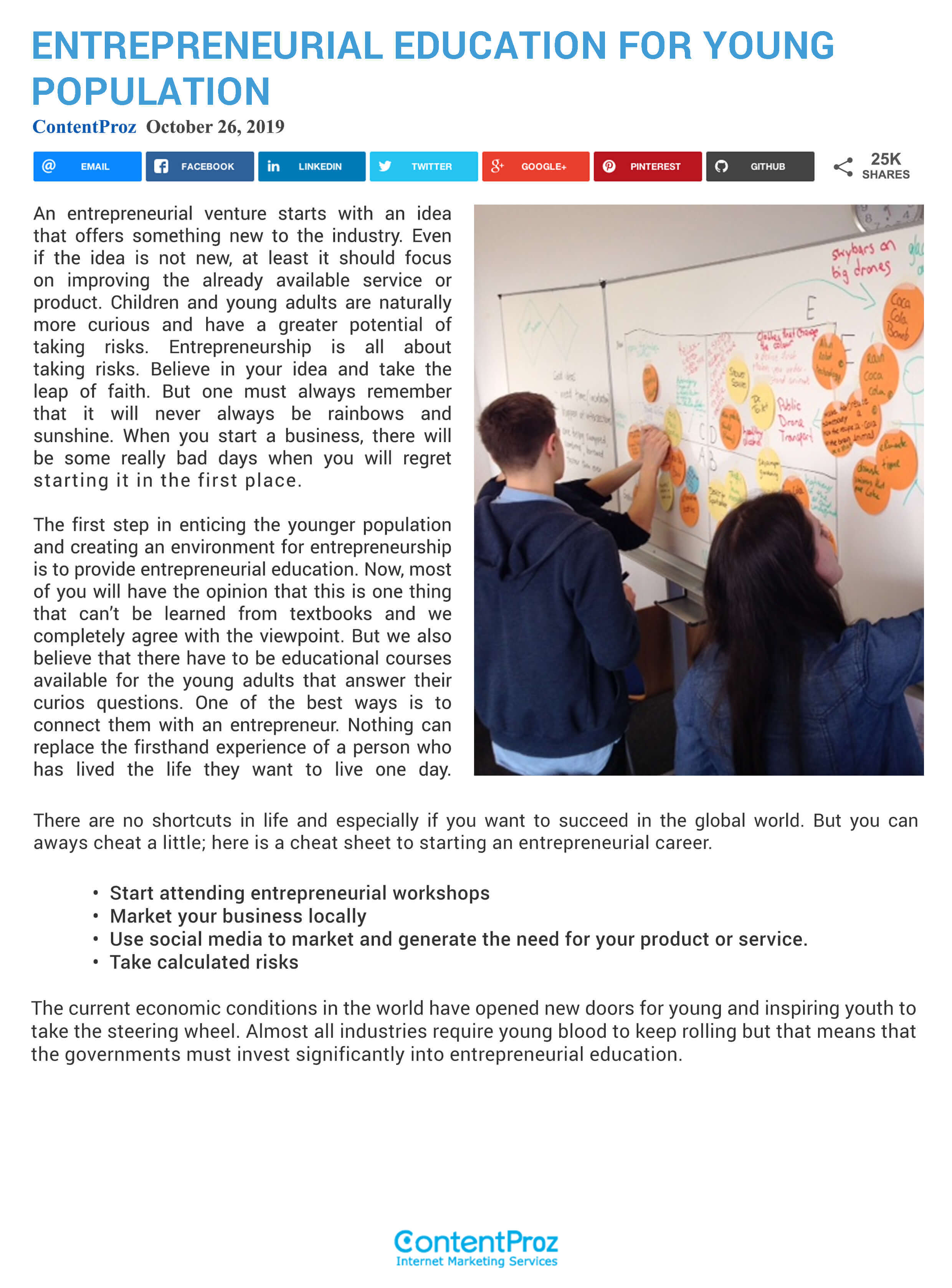
Blog Writing | ContentProz
50+ Blog Writing Examples
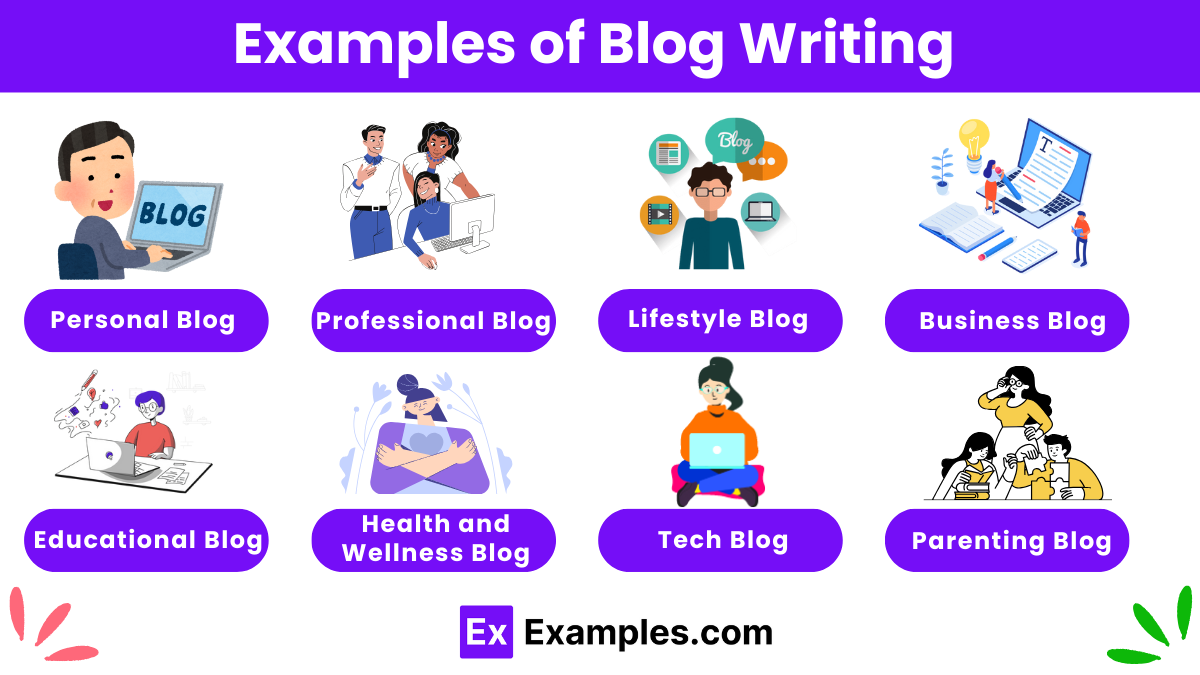
50+ Blog Writing Examples